Inspection and entry-point mapping
We walk the roofline, attic, and ground level to identify every potential and active entry point — typically roof-edge gaps, soffit returns, chimney caps, and damaged vents.
Raccoon removal in Boulder, CO is the licensed trapping and removal of raccoons from attics, chimneys, crawl spaces, and outbuildings, followed by sealing every entry point so the animal cannot return. In Boulder County, raccoons are a rabies-vector species regulated by Colorado Parks and Wildlife, so removal must be performed by a licensed wildlife control operator.
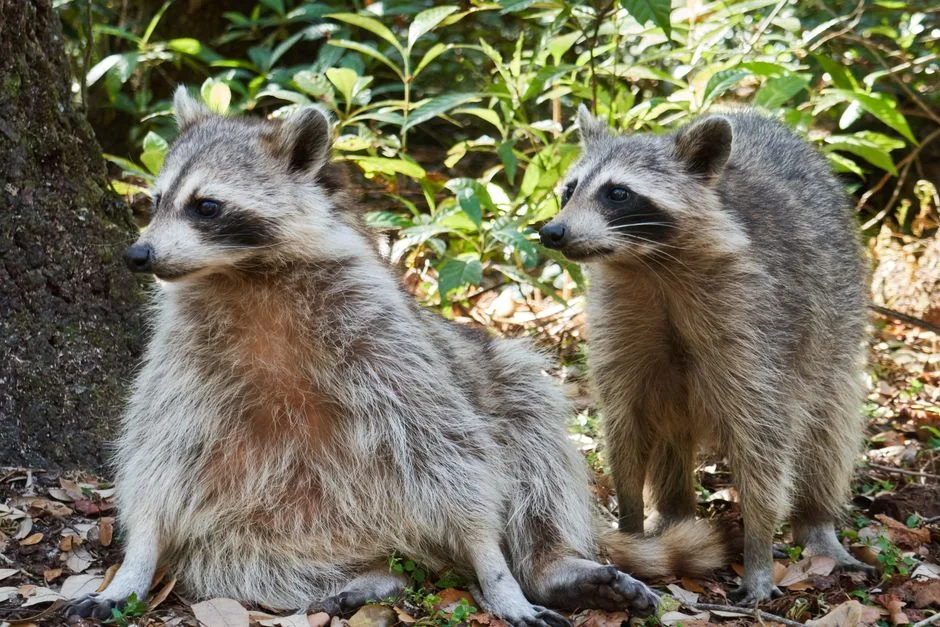
Raccoons are the single most common wildlife call we get in Boulder County. They climb easily, pry weak soffits and roof vents open, and den in attics from October through spring. Females give birth between March and May, which is when scratching and chittering sounds in the ceiling almost always indicate a litter of kits — never just one animal. The right response depends on the season, the entry point, and whether young are present.
Every raccoon removal job in Boulder County follows the same steps. The order doesn't change — what changes is the timing, depending on the species, season, and how active the situation is.
We walk the roofline, attic, and ground level to identify every potential and active entry point — typically roof-edge gaps, soffit returns, chimney caps, and damaged vents.
We check for kits, especially March through May. If young are present, we use a hands-on removal of the litter alongside one-way exclusion of the mother — never trap-and-remove the mother alone.
Adult-only situations get one-way exclusion devices on the primary entry point. Multiple-animal situations get cage traps checked daily, with relocation per Colorado regulations.
Every entry point gets sealed with heavy-gauge galvanized hardware cloth and exterior-grade caulk, plus reinforcement of soffit returns and vent screens that raccoons commonly target.
Raccoon latrines in attics contain Baylisascaris roundworm and must be removed by trained technicians wearing respirators. We offer scope-controlled cleanup when an active latrine is present.
Single-raccoon removal in Boulder County typically runs $300–$550 including the inspection and primary entry-point seal. Multi-animal or kit situations (March–May) run $450–$850 because of the additional time and hands-on litter removal. Attic decontamination, if needed, is quoted separately.
Raccoons are loud and almost always active at dusk and overnight — heavy thumping, chittering, and dragging sounds. Squirrels are smaller and active at dawn and during the day, with quicker scampering noises. Droppings size is the other tell — raccoon droppings are 2–3 inches long, much larger than squirrel pellets.
Not the same raccoon — relocation requirements rule that out. The risk is a different raccoon finding the same opening, which is why exclusion (sealing every entry point) is non-negotiable. Our work comes with a written re-entry guarantee against the same species.
No. Raccoons in attics damage insulation, chew electrical wiring (a real fire risk), and contaminate the space with latrine material that requires specialized cleanup. The longer they stay, the more expensive the cleanup. Same-day response is almost always the cheaper choice.
Removal and exclusion of tree and ground squirrels from attics, walls, and soffits across Boulder.
View serviceCode-compliant bat exclusion and entry-point sealing — respecting Colorado maternity-season restrictions.
View serviceLive trapping and odor-free removal of skunks from under decks, sheds, and foundations.
View serviceLooking for help in a specific area? See our service area pages for Longmont, Lafayette, Louisville, Erie, and Superior, or contact us directly.